Shop by Age
Type: Toilet Trainer
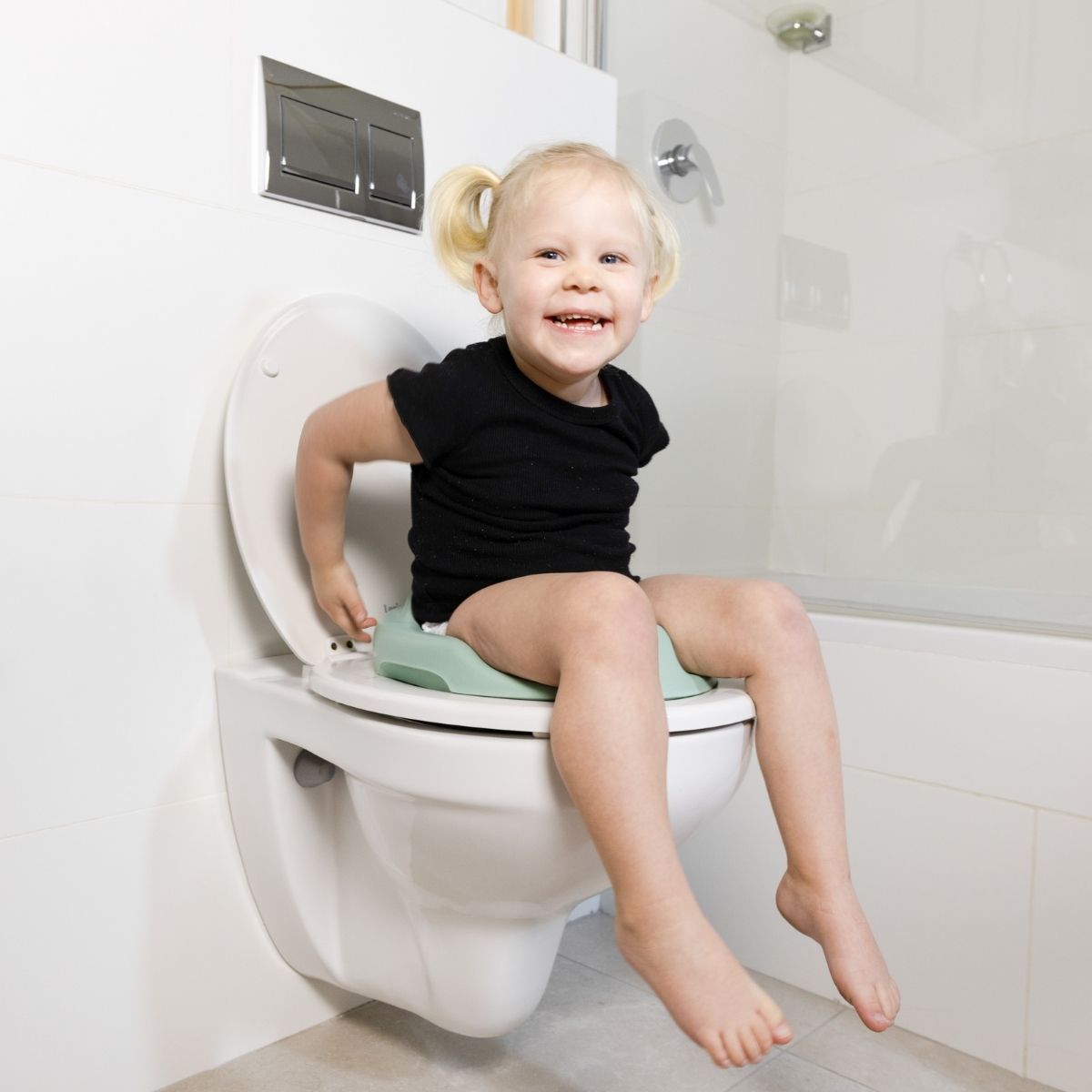
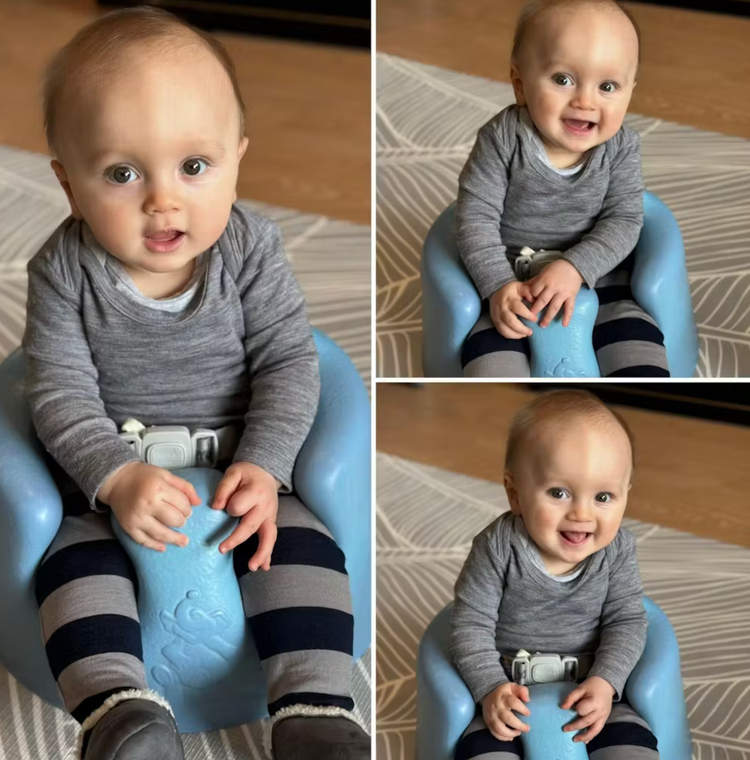
Bumbo 3 in 1 Step n' Potty
Type: Baby & Toddler
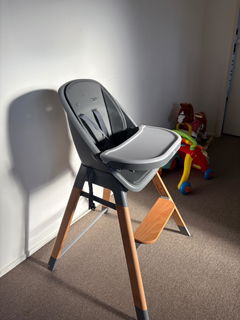
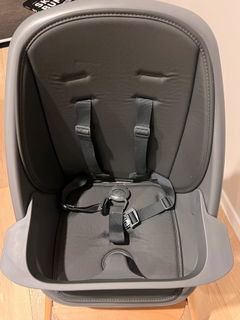
Moose Frankie Foldable HighChair (Grey)
Type: Booster Seat
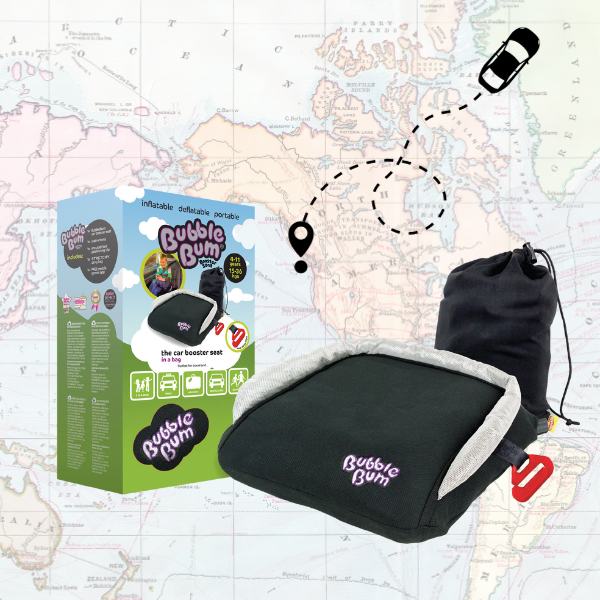
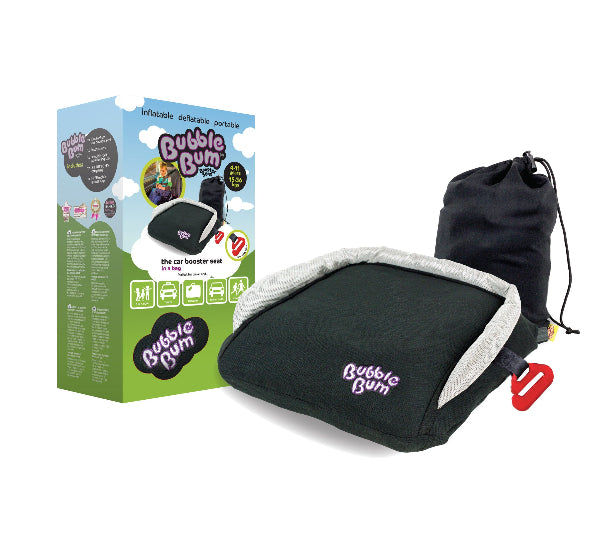
Bubble Bum Inflatable Car Booster Seat
Type: White Noise
DELUXE Ewan the Dream Sheep
Type: Travel Cot
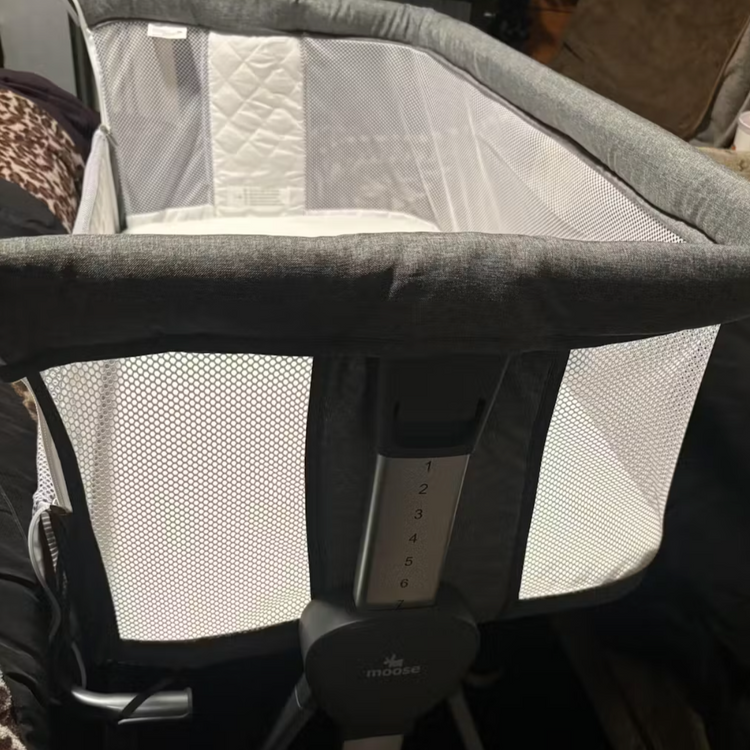
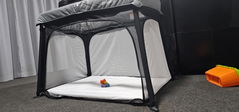
Moose Emmett Travel Cot (with Bassinet Level & 2 FREE Mattress Protectors)
Type: Buzzy
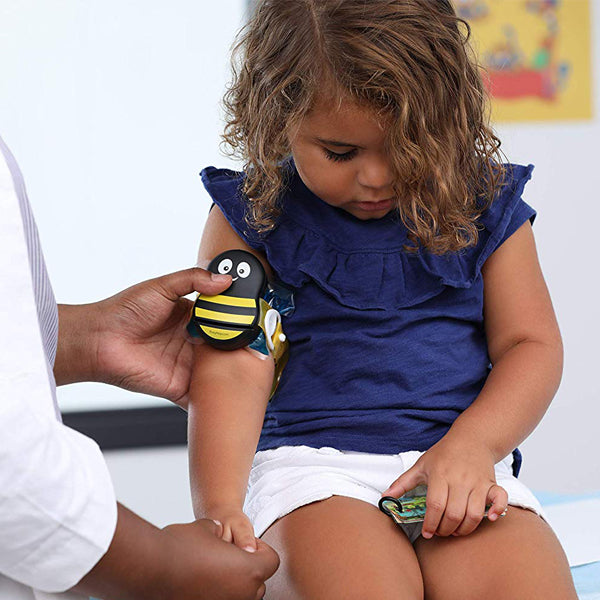
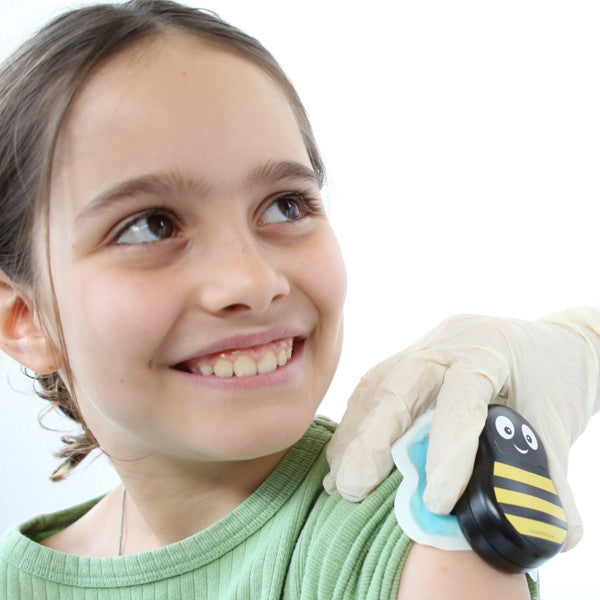
Buzzy Personal Needle Pain Relief Device
Type: Pain Relief
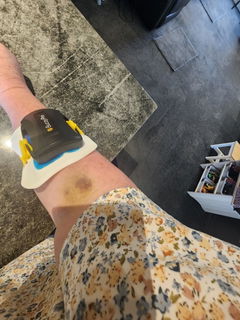
VibraCool® Extended for Knee & Ankle Pain
Type:
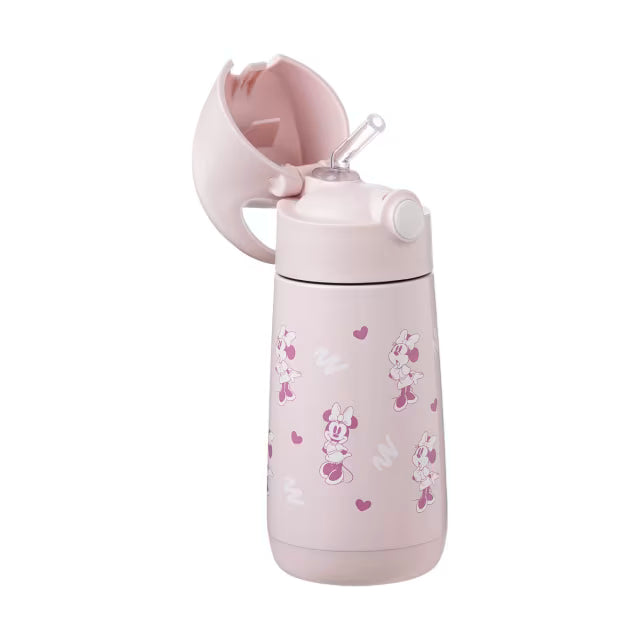
B.Box Disney Minnie 350ml Insulated Drink
The Moose Baby Blog
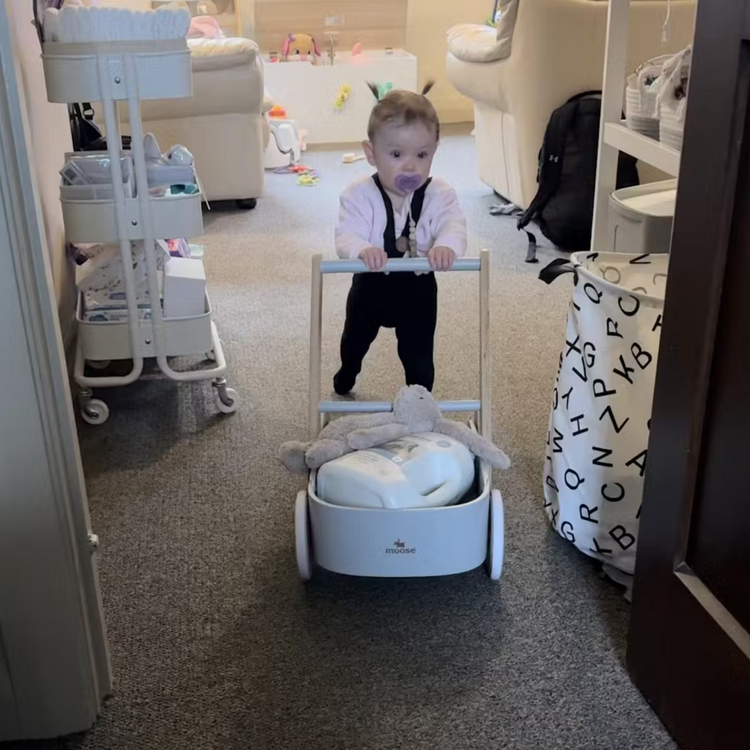
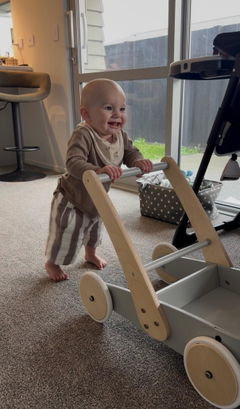
Are Baby Walkers Safe? When Can Baby Use a Walker?
Are baby walkers safe, and when is your baby ready for one? The honest answer, backed by Plunket and NZ safety guidance, explained the way one parent would tell another.
Learn moreStarting Solids: What You Actually Need (and What You Can Skip)
Everyone seems to have an opinion about starting solids, and a lot of what you’ll hear will make it seem like you need to fill your kitchen with equipment before your little one can eat their first spoonful. But as a retailer that loves supporting new parents, we want to let you in on a little secret - you really don't. Introducing your little one to food is all about exploration and curiosity, so don’t put yourself under any pressure. Instead, just stock up on a few baby feeding essentials that make mealtimes easier. Must-Have Starting Solids Checklist As parents ourselves, there are only a few essentials for starting solids that we recommend every new parent invest in. Highchairs Bibs Soft silicone spoons Suction bowls or feeding sets If you only make one purchase, make it a great highchair for starting solids. You'll use it every day for the next couple of years, so choose one that’s comfortable, easy to clean, and can grow with your child. Design elements like a removable tray, adjustable footrest and wipe-clean surface are well worth the investment. A soft silicone spoon is gentle on little mouths, while a suction bowl or feeding set helps keep food on the table instead of the floor. You'll also want plenty of bibs; terry fabric if you don’t mind the extra washing, or silicone if you’d rather rinse and reuse. Browse Moose Baby's Feeding Accessories Collection for bibs, feeding sets, and more. Nice-to-Have Feeding Products Most of the items on the “nice to have” baby feeding checklist make life easier for you rather than your little one. They make life more convenient, but aren’t essential from day one. Extra bibs Snack containers Food storage containers Silicone placemats Mess mats Spare bibs mean you always have a clean one on hand, while snack containers and food storage pots come in handy for batching or leftovers once your baby starts eating more variety. And, if the idea of spending time cleaning after every meal fills you with dread, you might want to consider a silicone placemat and a mess mat for under the highchair too. What You Can Skip (At Least for Now) There’s nothing wrong with wanting to try all the newest products and gadgets, but your baby doesn't need a cupboard full of accessories to enjoy their first foods. Just pick up a few baby feeding essentials, and add to your collection as your child grows. Start by exploring the Moose Baby's Highchair Collection to find your favourite. Frequently Asked Questions What solids should I introduce first? There’s no “right” first food, but most parents start with soft, easy-to-manage foods like mashed vegetables, banana, avocado or iron-fortified baby cereal. Can my 4-month-old start solids? Most babies in New Zealand start solids after six months. Look for signs of readiness, like good head control and sitting with support. Check with your health professional if you’re unsure. What is the 3-day rule? The 3-day rule makes it easier to spot intolerances or reactions to new foods. When offering one new food, wait three days before trying another. What are examples of first foods? Good first foods include mashed kūmara, pumpkin, banana, avocado, baby cereal, puréed meat, and soft, cooked vegetables. How often should my baby eat solids? Start with once a day, then build up gradually as your baby gets more confident. Breast milk or formula should remain the main food during the first year.
Learn moreShould you swaddle a newborn or use a sleeping bag?
Honestly, you'll probably use both. A swaddle for the first few weeks, then a sleeping bag once your baby starts trying to roll. Here's what's actually going on, so you know when to make the switch. What is the startle reflex, and why does it wake newborns up? Every newborn has this reflex where their arms jerk out of nowhere, even when they're fast asleep. You've probably already seen it. One second they're settled, the next their arms fly up and they're wide awake again. A swaddle holds their arms still through that, so they don't wake themselves up over and over. It's why swaddled babies tend to sleep in longer stretches in those early weeks. When should you stop swaddling your baby? Once your baby starts trying to roll, you'll need to stop swaddling. This can happen as early as 8 weeks, though for most babies it's somewhere between 2 and 4 months. You'll usually notice it before they actually roll all the way over. Maybe they're arching their back, rocking side to side, or getting a shoulder up off the mattress. Once you see that, it's time to switch. You don't need to wait for the full roll. Newborn sleeping bag vs swaddle, why you need both A sleeping bag is basically a wearable blanket. Your baby's arms are free to move, but they're still warm, and there's nothing loose in the cot that isn't recommended for babies under 12 months anyway. Most of us buy a swaddle first, then end up back at the shop a few weeks later for a sleeping bag once baby starts rolling. What TOG should you use for a newborn sleeping bag? TOG just tells you how warm the fabric is. Higher number, warmer bag. Match it to your room, then pop your baby in one simple layer underneath, like a bodysuit or pyjamas. As a rough guide. Warmer room, around 22 to 24 degrees, go lighter with a short sleeve bodysuit underneath Average room, around 18 to 22 degrees, 2.5 TOG with a long sleeve bodysuit works well Colder room, under 18 degrees, go warmer with a long sleeve bodysuit and maybe a singlet too If you're not sure, just feel their chest or the back of their neck. Warm and dry, you're all good. Damp or hot, take a layer off. Sweet Dreamers Sleep and Swaddle Bag, one bag for both stages This is exactly why we made the Sweet Dreamers Sleep and Swaddle Bag. Swaddle your baby's arms in for the newborn stage, then unzip to arms out the second they start showing signs of rolling. No second purchase, no standing in the aisle trying to guess when to switch. It's 100% organic cotton, Oeko-Tex tested, and hypoallergenic for sensitive skin. Comes in 1.0 TOG and 2.5 TOG, so you've got both covered. Frequently asked questions Can I skip the swaddle and go straight to a sleeping bag from birth? Yeah, plenty of parents do. Some babies settle just fine without being swaddled. It just helps with that startle reflex in the early weeks, it's not a rule you have to follow. What age should I stop swaddling my baby? As soon as you see them trying to roll, which can be from around 8 weeks. You don't need to wait until they've actually rolled over. What TOG should I use for a newborn? Go by your room temperature rather than your baby's age. 2.5 TOG suits most nurseries sitting between 18 and 20 degrees, with a long sleeve bodysuit underneath. Do I actually need to buy a swaddle and a sleeping bag separately? Not if you don't want to. A bag like the Sweet Dreamers Sleep and Swaddle Bag covers both stages, so you're not buying twice in the first three months.
Learn more
Exclusive Distributors of International Brands